Key Points to Know about the Good Harbor Beach Living Shoreline Study
- TownGreen received a technical assistance award, which means that there was no money awarded, only expert assistance.
- The technical award includes:
- Training for TownGreen and City staff on nature-based living shoreline techniques that can help to lessen the impacts of sea level rise, flooding and erosion; and
- The development of a conceptual sketch of how a nature-based solution could work at a potential location at Good Harbor Beach.
- The technical award includes:
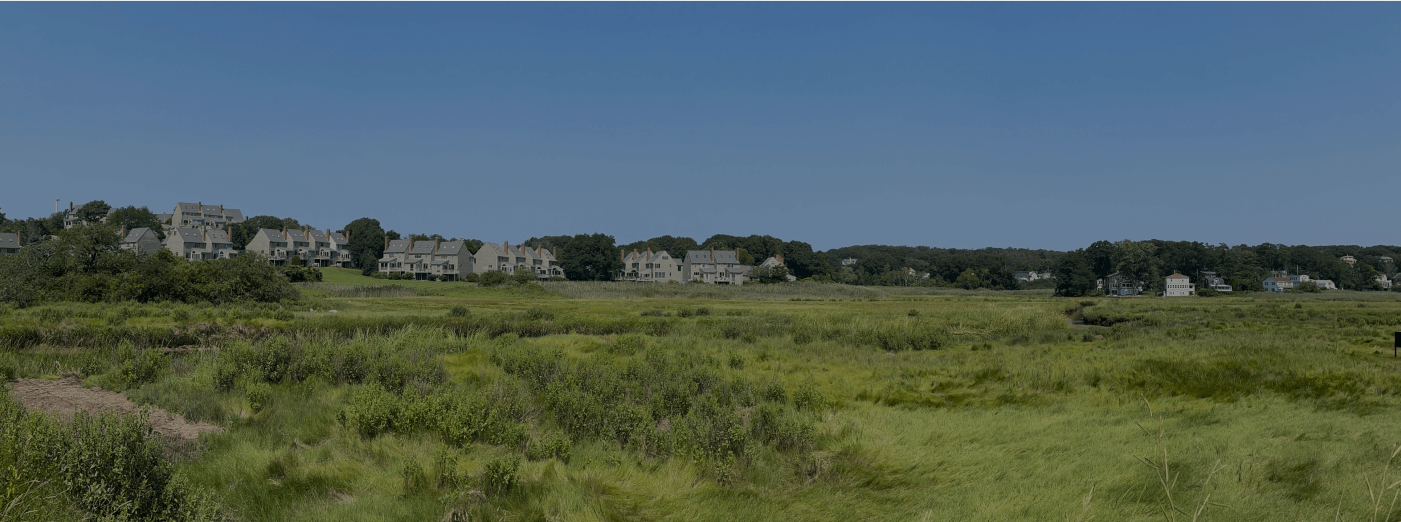
- The study is focusing on a small area on the salt marsh side of the parking lot. In this small study area, the team will look at how a nature-based solution can:
- Reduce the risk of parking lot flooding; and
- Improve salt marsh water quality by filtering out pollutants in the stormwater runoff. Stormwater currently flows from the parking lot into the marsh.
- The techniques being considered include a vegetated berm and swales at this small area.
- The conceptual sketch will be presented at a public site walk at Good Harbor Beach, followed by a public forum likely in September. This will conclude the study.
- The City will decide whether to pursue final design, permitting, and construction of the concept.
- The City is and will remain the owner of Good Harbor Beach. Neither the City nor TownGreen is pursuing any change to ownership, control, or uses of the beach.
Good Harbor Beach is one of the most special places on Cape Ann. So many of us have grown up here, raised our kids here, and have memories to remember. It belongs to all of us, and that is exactly why TownGreen wants to help protect it. Our work with the City aims to preserve the parking lot, support the marsh for our beloved wildlife, and better guard against parking lot flooding. Best of all, we hope to work with natural solutions that are often more effective, often less expensive, and all around better for people and places compared to man-made barriers.
TownGreen has partnered with the City of Gloucester to learn the techniques of enhancing living shorelines as a way to guard against the impacts of rising seas and bigger storms. By drawing on nature-based solutions to some of our challenges, we can help protect the assets we cherish, like beaches and salt marshes. Living shorelines use natural elements like salt marshes, dunes, native plants, and even oyster reefs to stabilize the shoreline, buffer waves and flooding, and enhance fish and wildlife habitat.
The Nature Conservancy in Massachusetts (TNC), the Northeast Regional Ocean Council (NROC), and coastal zone management agencies from across New England states partnered to provide training and technical assistance for communities to develop a concept-level design of a living shoreline for a location that experiences coastal flooding and erosion. The goal is to enable more widespread adoption of these nature-based solutions at the coast to increase resilience and benefit people and nature. TownGreen applied for the training and technical assistance program and was one of 11 applicants throughout New England chosen to participate.
The study consists of two parts:
- Living Shoreline Training: TownGreen and City staff are participating in a series of training webinars learning the techniques of designing, permitting, and maintaining living shorelines. Trainers include experts from UMass Boston’s Stone Living Lab and engineers from the Woods Hole Group, a private firm with many completed living shoreline projects.
- Pilot application: A conceptual design is to be developed applying various living shoreline techniques to an actual site. The Good Harbor Beach salt marsh area was chosen and, after further review, a specific project focusing on the interface between the existing parking lot and the salt marsh was selected.
The goals of the pilot project are to sketch out a possible design that can:
- Lessen the amount of flooding that occurs in the beach parking lot, and
- Filter out pollutants carried by stormwater runoff from the parking lot to the marsh.
The basic idea is to consider installing a small berm on the boundary between the parking lot and the marsh along with vegetated swales to accomplish these two goals.
A conceptual design is to be developed by the end of August 2026. Plans call for hosting a public site walk and public forum to present the concept, garner public feedback, and to see if there is interest in further pursuing the concept. It will be up to the City whether the concept advances to actual construction.
Despite rumors that the parking lot is being reduced or even eliminated, or that the ownership and/or uses may change – all false – the simple truth is this project focuses solely on lessening the flooding that occurs in the parking lot and improving the water quality of the salt marsh. This living shoreline project is separate from other studies that have noted a range of options the City could consider as it weighs various measures to protect the beach and the surrounding area. None of the other studies are advancing at this time.
Good Harbor Beach is and will remain the property of the City of Gloucester as a public beach. TownGreen is a Cape Ann nonprofit, and our goal is to offer suggestions and promote discussions on how to protect Good Harbor Beach for people and wildlife as best we can, for everyone to continue enjoying.